Asher Butt
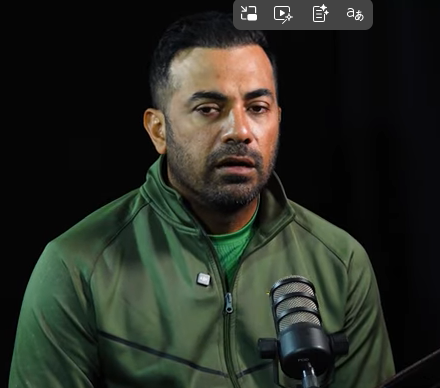
Pakistan women’s team mentor and former fast bowler Wahab Riaz has outlined a bold, modern roadmap for the national side, stressing technical growth, mental strength, team unity and a fearless approach as key pillars ahead of the ICC Women’s World Cup 2026.
Speaking in a recent podcast, Wahab offered rare insight into his transition from an international fast bowler to a mentor guiding the women’s team. Central to his vision was the recently concluded one-month intensive training camp in Karachi, which he described as a turning point in reshaping the team’s culture and mindset.
According to Wahab, the camp went far beyond routine net sessions. Alongside technical refinement, equal emphasis was placed on psychological development and bonding within the squad. Working with a comprehensive coaching panel—Imran Farhat (batting), Abdul Rehman (bowling), Umaid Asif (fast bowling) and Abdul Majid (fielding)—he aimed to eliminate the traditional gap between players and support staff.
To foster trust and unity, unconventional team-building activities such as padel, karting and paintball were introduced. By living, eating and training together at the academy, Wahab said the players and staff developed a shared sense of purpose, breaking the long-standing “players versus management” barrier.
Fitness emerged as another major area of reform. Under trainer Moin, the women’s team adopted strict new fitness standards and a revised nutrition plan. Heavy traditional meals were replaced with a grilled, performance-focused diet, while a single weekly cheat day was allowed to maintain morale. For the first time in the team’s history, a swimming instructor was also engaged to support recovery, endurance and overall conditioning.
Wahab was candid in addressing Pakistan’s long-standing batting issues, revealing that the women’s team historically recorded around 55 per cent dot balls in T20s and 65 per cent in ODIs. He openly rejected the outdated “survive at the crease” mindset, saying it led to stagnation and fear of failure. The new philosophy prioritizes strike rotation, constant communication and aggressive running between the wickets.
To prepare players for international intensity, practice matches were arranged against Under-17 boys and under floodlights. Performance-based accountability was also introduced, with players missing strike-rotation targets required to complete additional running—turning discipline into a fitness tool.
Responding to criticism over team selection, Wahab defended the blend of experienced players and youngsters. He singled out Hamna, Sara Zaman and fast bowler Tasmia as emerging prospects, while also praising Aisha Zafar, who has dominated domestic cricket over the past two seasons and returned to the national setup with renewed attacking intent.
A significant shift was also visible in bowling resources. Wahab noted that seven female fast bowlers were part of the camp—an unprecedented number—signaling a move away from Pakistan’s traditional spin-heavy dependence towards a more balanced, modern attack.
While realistic about the challenges ahead, Wahab expressed confidence that a clear change in intent is already underway. He contrasted the old, net-based and defensive routines with his 2026 vision—open-ground training, match-scenario simulations, specialized fitness methods and a culture that encourages risk-taking rather than fearing failure.
“Potential is huge; it’s just the mindset that needs a push,” Wahab concluded. “If our intention is honest and the hard work is consistent, the results will come.”
With a renewed philosophy and structured preparation, Pakistan women’s cricket appears poised for a cultural reset—one aimed not just at competing, but at competing boldly on the world stage.