PSL 11 match-2 analysis:
Asher Butt
The second fixture of the Pakistan Super League Season 11 at Gaddafi Stadium offered a far more competitive contest than the opener, but it ultimately highlighted the importance of finishing strength and bowling discipline as Karachi Kings secured a 14-run win over Quetta Gladiators.
A game decided in phases, not moments
Unlike a one-sided encounter, this match swung across phases. Quetta Gladiators arguably controlled large parts of the game but failed to close it out, while Karachi Kings maximized key moments—particularly in the death overs of both innings.
Recovery and late acceleration
Karachi Kings’ total of 181/7 was not built on dominance but on recovery and late execution. Early setbacks, including the loss of Muhammad Waseem in the first over, could have derailed them, but David Warner and Salman Ali Agha ensured momentum was restored quickly.
The powerplay (60/2) reflected intent, but the middle overs exposed a recurring issue—loss of wickets at regular intervals. From 87/2 to 125/5, Karachi risked falling short of a competitive total.
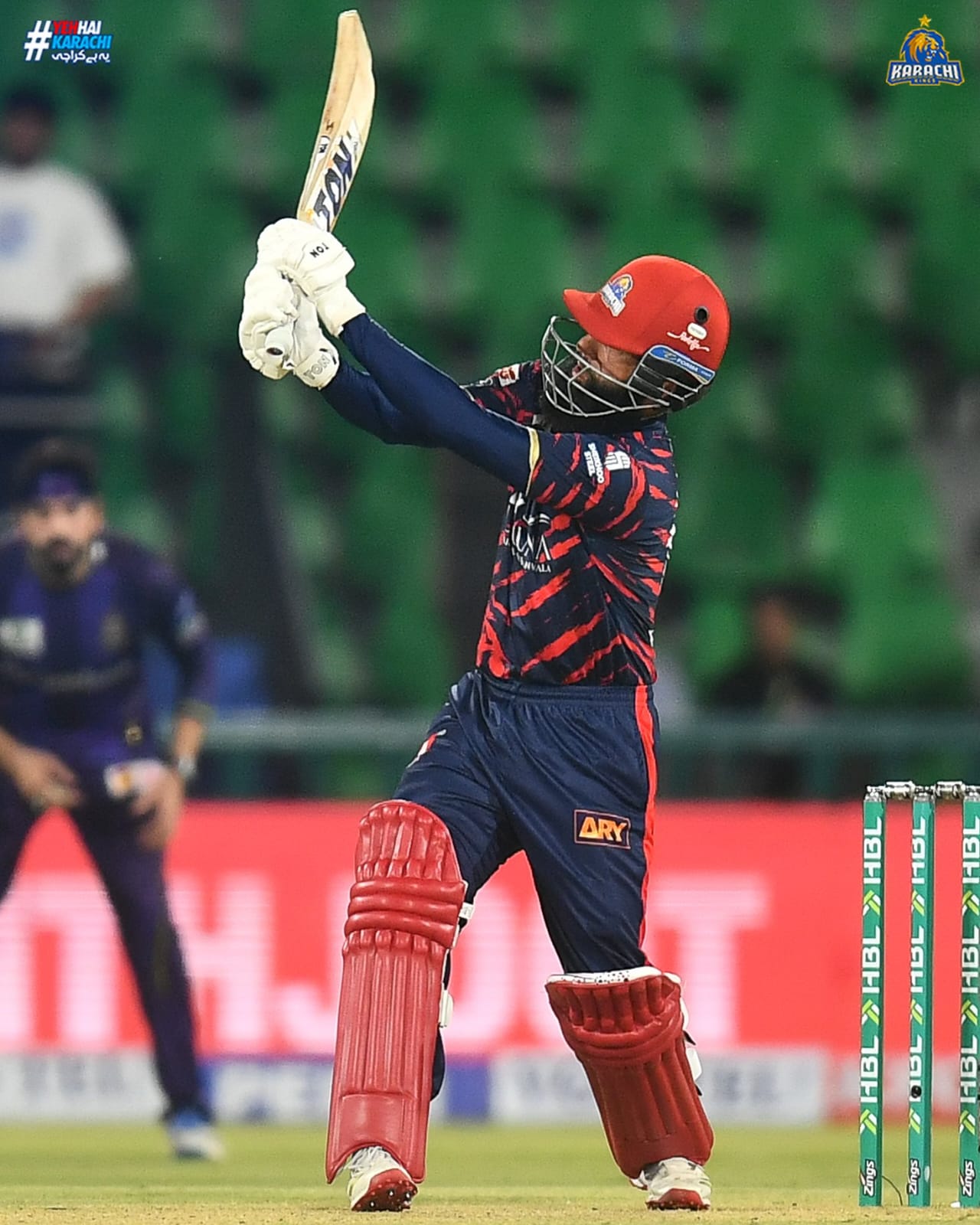
The turning point came through Moeen Ali. His unbeaten 48 off 29 balls was not just a finishing cameo—it was a calculated innings that balanced risk and control. Karachi added crucial late runs, pushing the total beyond par.
Key insight was that Karachi did not dominate the innings — they managed it better than Quetta.
Quetta’s bowling was effective but incomplete
Quetta’s bowling effort was disciplined but lacked the finishing edge. Ahmed Daniyal’s three wickets and Alzarri Joseph’s pace provided breakthroughs, but the inability to contain Moeen Ali in the final overs proved costly.
Conceding 56 runs in the last five overs allowed Karachi to stretch from a defendable total to a match-winning one. In T20 cricket, this phase often defines outcomes—and Quetta lost control precisely when it mattered most.
Quetta’s chase: A perfect start, a flawed finish
If Karachi’s innings was about recovery, Quetta’s chase was about missed opportunity.
A powerplay of 75/0 should have set up a comfortable chase. Shamyl Hussain’s explosive 52 off 23 balls and Saud Shakeel’s composed support gave Quetta the ideal platform.
At 100/2 in just over 10 overs, Quetta were firmly ahead of the game. However, the collapse that followed exposed structural weaknesses:
- Lack of a stabilizing presence after early aggression
- Inability to rotate strike in middle overs
- Poor shot selection under pressure
The dismissal of Shamyl triggered a chain reaction. From 124/3, Quetta slipped to 148/6, effectively ending the chase.
Karachi’s bowling: Hasan Ali’s defining spell
While Karachi’s total was competitive, their bowling—particularly Hasan Ali’s spell—won them the match.
Hasan Ali’s 4/27 was not just about wickets; it was about timing. He broke partnerships at crucial stages, ensuring Quetta never regained control after their strong start.
Support from Adam Zampa and Moeen Ali in controlling the middle overs helped build pressure, even when Quetta were ahead on the scoreboard.
Where Quetta lost the match
Despite a dominant start, Quetta’s defeat can be traced to three critical areas:
- Middle-order fragility
After the top-order platform, there was no batter who could anchor the chase. The middle order failed to absorb pressure once wickets fell.
- Death overs execution (bowling)
Allowing Karachi to accelerate beyond 175 shifted the pressure entirely onto the chase.
- Game awareness
At 100/2, Quetta needed composure—not aggression. Instead, they continued high-risk play, leading to a collapse.
Karachi’s edge: Experience and role clarity
Karachi Kings showed greater clarity in roles:
- Warner provided early stability
- Moeen Ali controlled the finish
- Hasan Ali delivered breakthroughs
- Bowlers executed plans under pressure
Even without complete dominance, Karachi operated as a more structured unit.
What this means going forward
For Karachi Kings, this win highlights their ability to win tight games—an essential trait in tournament cricket. Their challenge will be to address middle-order inconsistency and avoid over-reliance on individual performances.
For Quetta Gladiators, the positives are significant—their top-order firepower and bowling potential are evident. However, without improving middle-order stability and match awareness, such games will continue to slip away.
Finally, this was a match Quetta Gladiators should have won but Karachi Kings ensured they did not. In T20 cricket, matches are rarely decided by dominance alone—they are decided by execution in decisive moments. Karachi understood that better, and that made all the difference.