South Asian Games 2027:
Pakistan has venues, budget, home advantage – but athlete preparation yet to take off
By Asher Butt
Pakistan is set to host the South Asian Games after a gap of more than two decades, but with less than six months left for the regional spectacle, the real concern is no longer about bricks and mortar. The venues are being upgraded and funds are being released, but the preparation of athletes who will actually compete for medals is yet to gather pace.
The 14th South Asian Games are scheduled to be held from April 3 to 11, 2027 in Islamabad, Lahore and Peshawar, featuring 28 sports and 346 medal events. Thousands of athletes and officials from seven South Asian nations are expected to participate, making it the biggest multi-sport event Pakistan has hosted since 2004.
For Pakistan, the Games are more than just a hosting exercise. It is a chance to restore confidence in a sports system that has often struggled to convert talent into podium finishes.
There has been visible progress on the infrastructure side. The Punjab government has approved around Rs 1 billion for the upgradation of four major facilities at the Nishtar Park Sports Complex in Lahore, which will host competitions in 10 sports. The venues are being brought up to international standards.
At the federal level, a steering committee chaired by Deputy Prime Minister Ishaq Dar has directed all concerned departments to ensure close coordination and timely completion of venues in the three host cities. The South Asia Olympic Council has also reviewed operational arrangements including accommodation, transport and Games manuals.
This is a positive shift. For years, athletes have complained about dilapidated facilities. The SAF Games now provide a rare opportunity to renovate stadiums, pools and gymnasiums that must serve future generations long after the Games are over.
But infrastructure alone does not win medals. A refurbished pool does not automatically produce swimmers, and a renovated hockey stadium does not produce a winning hockey team. Buildings can be upgraded in months; champions require years of systematic work.
Another major development is India’s likely participation. India has given in-principle consent to take part in the Pakistan-hosted Games, according to official briefings after the SAOC Executive Committee meeting held in Islamabad in August. India attended the meeting virtually along with other member nations. Formal government clearance and submission of contingent details, expected in January 2027, are still pending.
If India does compete, it will significantly raise the standard of competition and provide Pakistani athletes with high-pressure contests they rarely get. However, observers caution that Pakistan’s focus should be on overall medal tally and performance benchmarks, not just on beating a single neighbour.
The most pressing issue is the lack of visible training activity. Pakistan recently returned from the Asian Games with 10 medals – two silver and eight bronze – and that performance should have become the baseline for SAF Games planning.
Instead, there are growing concerns that most federations are still waiting for formal invitations from the Pakistan Sports Board to start camps.
Sports circles argue that federations already know everything they need to know – the Games dates, the host cities, the sports programme and the likely opponents. There is no reason to delay planning until funds are announced.
Each of the 27 participating federations should have by now submitted a complete roadmap to the PSB and Pakistan Olympic Association, including core squads, transparent selection criteria, camp schedules, list of coaches and support staff, requirements for international exposure tours, equipment, nutrition, sports science and physiotherapy support, and realistic medal targets along with estimated budgets.
The old practice of waiting for the government to call and then trying to prepare athletes in 60 to 90 days must end. A three-month camp can only sharpen an already prepared athlete; it cannot create an international medallist from scratch. Strength, endurance, technical refinement and mental toughness require long-term, uninterrupted training and regular international competition.
For years, federations have rightly pointed to lack of funds. But with the Games at home and the government now moving money for venues, federations must also show initiative – submit proposals, demand meetings and start training with available resources.
The PSB, on its part, must shift to a performance-based funding model. If public money is released, attendance, progress and results must be monitored. Selection criteria must be transparent, and after the Games, every federation must be held accountable for its performance.
Pakistan will have home advantage – familiar conditions, home crowds and less travel fatigue – but that advantage will mean little if athletes arrive underprepared. Every sport must arrive in Islamabad, Lahore and Peshawar with a clear purpose and a clear target.
There is also a risk of over-spending on ceremonies, branding and hospitality while under-investing in the athletes themselves. The ultimate measure of a Games is not how grand the opening ceremony is, but what happens inside the field of play.
The optimism is still justified. The SAF Games can revive neglected sports, bring spectators back to stadiums, expose youngsters to international competition and force the system to think long-term.
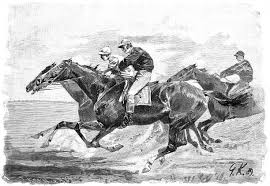
With around six months to go, the message is simple for all stakeholders: the real race has already begun. Every delayed camp, every cancelled foreign tour and every week spent arguing over files is preparation lost.
The venues are being prepared. The money is beginning to move. The region is watching, and India may well be part of the field.
Now only one thing remains to be prepared – the athletes. And that work cannot start tomorrow. It has to start now.