Asher Butt
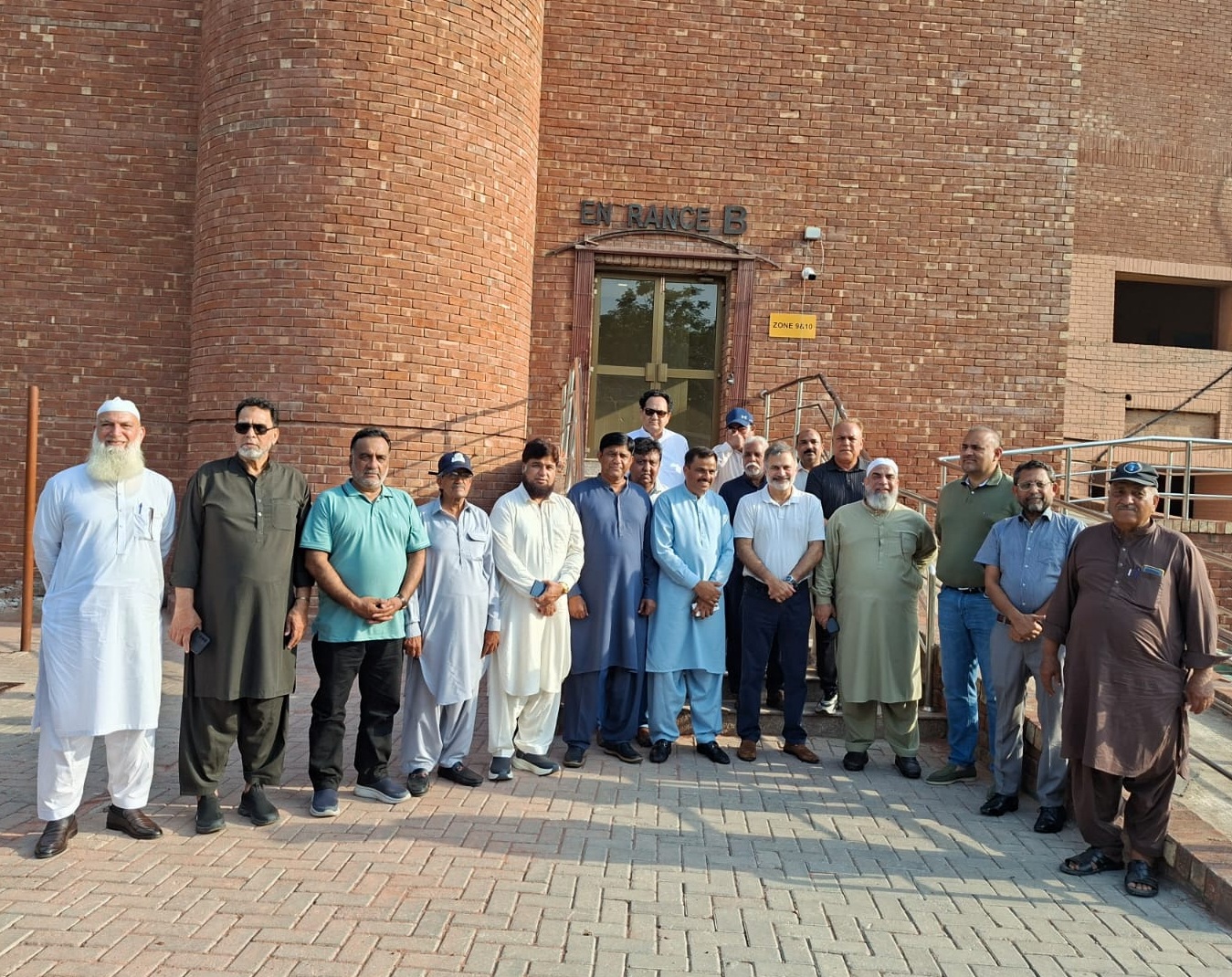
In a stunning display of organizational strength and unified support, the Khawaja Nadeem Ahmed Group achieved a historic 15-0 clean sweep in the Lahore Region Cricket Association (LRCA) elections. This decisive victory secures complete control over Pakistan’s most crucial cricket administration body, with the group winning all 15 seats across the newly formed City, Model Town, Ravi, Cantt, and Shalimar zones. The flawless result reflects strong organizational backing and a unified campaign strategy, giving the new leadership immediate and unchallenged authority over regional cricket operations in Lahore, widely regarded as the cradle of Pakistani cricket talent.
While the clean sweep cements Khawaja Nadeem’s mandate, he should bear in mind that sweeping powers demand accountability and prudence — history shows that unchecked authority can quickly turn triumph into downfall.
The election’s dramatic conclusion came in the final phase when the group captured the three remaining seats in the Shalimar Zone, formalizing the complete whitewash. According to official results released by Abid Hussain, Manager of Cricket Operations, Muhammad Arshad was elected president of the Shalimar Zone with a 19-10 margin, Muhammad Khurshid won the secretary’s post by the same margin, and Asif Aziz took the treasurer’s slot with an 18-11 victory. This capped a dominant performance that had been established earlier with commanding wins in the Ravi Zone, where Muhammad Ijaz Butt (President) won 22-5, Muhammad Naseer Shahzad (Secretary) secured 23-4, and Malik Zahid Mahmood (Treasurer) won 19-8. Victories in the Cantt Zone followed closely, with Mashhood Hussain Shirazi (President) winning 22-16, Mirza Azmat Baig (Secretary) taking 23-15, and Khaliq Hussain (Treasurer) posting a landslide 25-13 result. The group also secured unopposed victories in the City Zone, with Jahangir Afzal taking the presidency, and in the Model Town Zone, where Malik Imran Bucha was elected president.
Reacting to the overwhelming mandate, Khawaja Nadeem Ahmed, who will continue his tenure as LRCA President, expressed deep gratitude for the trust reposed in him and his team. He stated that he is delighted, humbled, and honored by the people showing trust in his mission for the sport of cricket in the heart of Pakistan. Looking ahead, he emphasized his commitment to working tirelessly alongside the sub-division presidents to establish a system rooted in meritocracy. His vision is to ensure that true and deserving talent is seamlessly promoted into the national circuit, setting new standards of performance for this tenure with the continued support and prayers of the cricketing community.
This historic victory marks a significant consolidation of power for the Khawaja Nadeem Group, which had entered the contest on a platform of robust cricket governance and administrative reform. The elections were conducted under a newly restructured framework implemented by the Pakistan Cricket Board (PCB), which divided the Lahore Region from its traditional three zones into five distinct zones to improve administration and better promote emerging talent. This structural change, unique to Lahore among all Pakistani cricket regions, altered traditional voting dynamics and redistributed power centers. The KN Group capitalized on this by securing extensive support among local club presidents across all five zones, leveraging their incumbency advantage and a three-year track record of institutional reforms, discipline, and performance metrics.
Despite the comprehensive victory, the electoral process was marked by intense campaigning and notable friction regarding the new zonal map. The opposition “Azad Group,” led by former LRCA President Shahrez Rokhri and organizer Wasif Zaman, had heavily contested the PCB’s decision to create five new zones. They argued that the reorganization was implemented without proper stakeholder consultation and threatened the traditional club cricket infrastructure and talent pipeline. The Azad Group had demanded a return to a merit-based selection process and transparent elections, claiming that performers were being overlooked. However, despite mobilizing support from various clubs, the opposition could not prevent the KN Group’s sweeping triumph.
With full administrative control now secured, the new LRCA executive faces immediate and critical challenges, chief among them being the ongoing grounds crisis. The Parks and Horticulture Authority (PHA) had previously moved to take control of several major cricket grounds from the LRCA, threatening to auction off spaces that have historically served as the breeding ground for local talent. This move posed a severe threat to club cricket infrastructure and training facilities for young players. The outgoing administration had already initiated negotiations with the Punjab government to secure these grounds, and the new leadership will be under immense pressure to finalize these talks and ensure that Lahore retains its essential cricketing infrastructure.
Beyond infrastructure, the new administration must also address the core concerns regarding meritocracy and grassroots development raised during the campaign. To justify their sweeping mandate, the KN Group will need to demonstrate tangible improvements in talent identification and development. This includes establishing transparent selection committees, expanding youth development programs for Under-15 and Under-18 categories, and implementing digital registration systems for all affiliated clubs. Observers note that the unanimous mandate provides a unique opportunity to implement long-term plans without political obstruction, but it also places the onus squarely on the new leadership to deliver inclusive and transparent governance.
The stakes of these elections extend far beyond the administrative boundaries of Lahore. As the primary talent pipeline for national cricket, Lahore’s governance has a direct impact on the overall health of Pakistan cricket. The city has produced legendary figures such as Imran Khan, Zaheer Abbas, Javed Miandad, Wasim Akram, and Misbah-ul-Haq, and remains home to the iconic Gaddafi Stadium and the PCB headquarters. A stable, reform-minded, and transparent LRCA is essential for maintaining the city’s competitive standing in domestic cricket and ensuring a steady flow of world-class talent to the national team.
As the newly elected zonal office bearers officially assume their responsibilities, the focus now shifts from campaigning to execution. The new executive is expected to convene shortly to outline its immediate priorities, which will include scheduling domestic tournaments, launching development projects, and coordinating with provincial and national cricket bodies. The Khawaja Nadeem Group’s historic clean sweep has provided them with a rare, unchallenged mandate to reshape Lahore cricket. How they utilize this authority to nurture grassroots talent, protect infrastructure, and uphold meritocracy will define the legacy of their administration and shape the future of Pakistan’s cricket capital.
Victory confers power; power demands responsibility. If Khawaja Nadeem fails to govern with transparency and restraint, even this decisive win could be erased by the same forces that have toppled once‑untouchable leaders.