“Equality First”: Former Sialkot Cricket Chief Backs Mohsin Naqvi’s Stance on India, Urges Selection Reforms
Special Correspondent
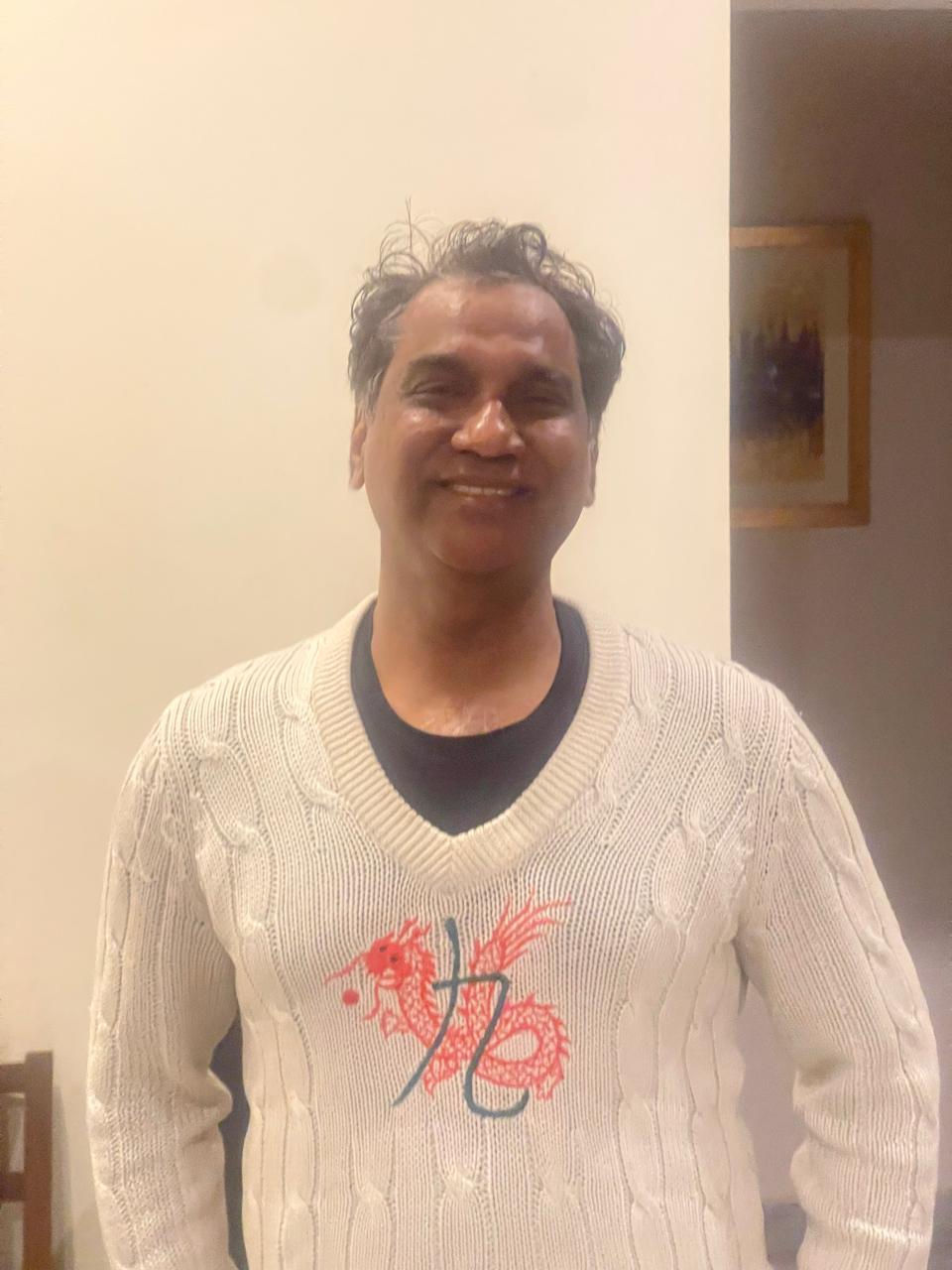
Former President of the Sialkot Regional Cricket Association and ex-captain of Lahore Gymkhana, Chaudhry Naeem Gulzar, has thrown his full support behind Pakistan Cricket Board (PCB) Chairman Mohsin Naqvi’s firm stance on cricketing relations with India, calling it principled, patriotic, and rooted in equality.
Speaking during a detailed media interaction, Gulzar addressed key national and cricketing issues, ranging from Indo-Pak cricket diplomacy to domestic reforms and player development pathways.
Indo-Pak cricket: Equality above all
Chaudhry Naeem Gulzar praised Mohsin Naqvi for taking what he described as a courageous and dignified position on cricket ties with India. He said Pakistan must insist on equal treatment in international cricket and should not compromise on its self-respect.
“Mohsin Naqvi has raised the voice of equality and, in doing so, has tried to awaken the global cricketing community,” Gulzar said, adding that the PCB Chairman’s stance reflects the collective sentiment of the nation. He stressed that Pakistan’s dignity must remain central in all sporting engagements.
Selection policy: Merit over popularity
Turning to selection matters ahead of major tournaments such as the Asia Cup, Gulzar underscored the importance of picking teams purely on merit. He described selection as a difficult and often thankless responsibility, warning against decisions driven by public pressure.
“Selectors must not play to the gallery,” he remarked. “Selection should be based on intellect, research, and a genuine understanding of talent, not on short-term popularity.”
He also highlighted the need for consistency in selection, arguing that frequent changes disrupt player confidence and team balance.
Defined pathway to the national team
Gulzar proposed a structured and mandatory progression system for aspiring international cricketers. According to him, players should advance step by step—from age-group cricket to Pakistan ‘A’, then first-class cricket, before earning a place in the national side.
Bypassing these stages, he warned, results in a lack of temperament and performance continuity at the highest level.
PSL expansion and investment
Welcoming the expansion of the Pakistan Super League with the addition of two new teams, Gulzar said the move would create more opportunities for young players to showcase their talent on a high-profile stage.
He also commended PCB Chairman Mohsin Naqvi for attracting foreign investment through the PSL. “PSL is a profitable and globally recognised league. The income generated must be reinvested into strengthening Pakistan’s basic cricket infrastructure,” he said.
Club cricket: The missing foundation
While appreciating the PCB’s renewed focus on school cricket, Gulzar cautioned that real progress would remain limited unless club cricket is revived and strengthened.
Recalling Pakistan’s cricketing past, he said the country once benefited from a strong club culture where players trained and competed regularly from a young age. “That continuous exposure helped produce finished cricketers by the time they reached the top,” he noted.
He urged the PCB to raise the standard of club and first-class cricket so players arriving at the national level are technically and mentally prepared.
Chaudhry Naeem Gulzar concluded by stressing that the quality of first-class cricket remains the true indicator of a nation’s cricketing health. He expressed hope that under the current PCB leadership, Pakistan cricket would strike a balance between firm international diplomacy and deep-rooted domestic development, with clubs and schools serving as the true nursery of the game.