
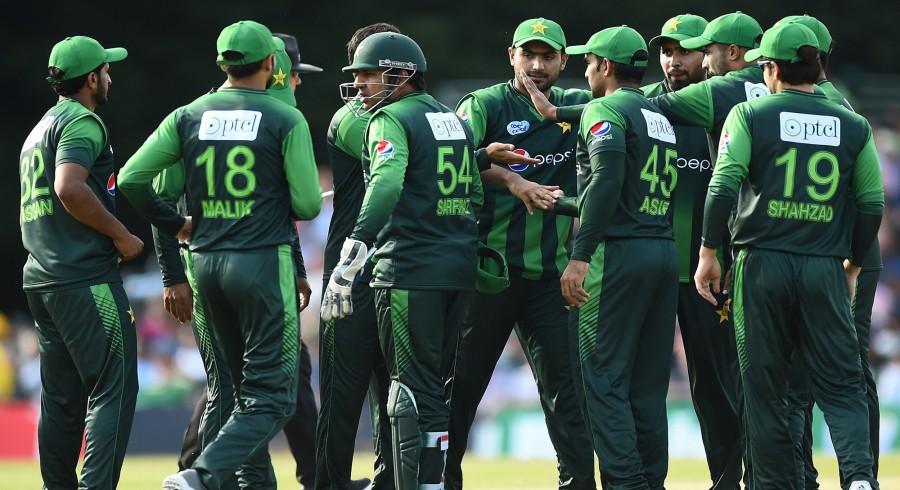
Pakistan cricket 2025: A tale of youth triumphs and senior team transitions
The calendar year 2025 will occupy a peculiar space in Pakistan cricket’s history books—not quite a disaster, yet far from a triumph. It was a season that defied simple categorization, where the senior men’s team stumbled through a fog of inconsistency while the nation’s emerging stars blazed trails that offered genuine hope for the future.
The senior side: Searching for identity
Pakistan’s established cricket team spent much of 2025 chasing stability that remained frustratingly out of reach. The trophy cabinet gathered dust while questions about direction, selection philosophy, and tactical approach multiplied with each passing series.
Test cricket: Home comfort, overseas nightmares
The year opened painfully in South Africa, where Pakistan suffered a comprehensive 2-0 series defeat. Ryan Rickelton’s mammoth 259 dominated proceedings, but the lasting damage came from Saim Ayub’s injury during the opening Test—a setback that would haunt Pakistan’s planning for months.
Returning to familiar Pakistani pitches offered temporary relief. A home series against West Indies on rank turners saw Pakistan claim the opening Test through Sajid Khan’s nine-wicket haul, securing victory by 127 runs. Yet even this success carried warnings—West Indies’ left-arm spinner Jomel Warrican claimed ten wickets, exposing vulnerabilities that would resurface.
The second Test delivered a sobering reality check. Warrican’s nine wickets, combined with a crucial unbeaten 36 with the bat, powered West Indies to a 120-run victory that leveled the series. Pakistan ended 2025 without a single Test series win—a statistic that captured their struggles in the longest format.
The team’s schizophrenic performances—dominant at home, fragile abroad—reflected deeper structural issues. Pakistan’s over-reliance on spin bowling works magnificently on turning Asian surfaces but becomes a liability when confronted with pace-friendly conditions overseas. This tactical imbalance, evident for years, remained unaddressed throughout 2025.
Limited-overs cricket: Peaks, valleys, and everything between
Pakistan’s white-ball journey resembled a roller coaster designed by someone with a cruel sense of humor. February’s ODI tri-series at home against South Africa and New Zealand showcased both extremes within days.
After losing to New Zealand, Pakistan produced one of their most memorable run chases in recent memory—hunting down 353 against South Africa through Mohammad Rizwan’s unbeaten 122 and Salman Ali Agha’s brilliant 130. Their fourth-wicket partnership of 260 runs set records and briefly convinced supporters that something special was brewing.
That optimism evaporated in the final, where Pakistan defended a modest 242 inadequately, losing comfortably to New Zealand. The pattern—flashes of brilliance followed by inexplicable collapses—would define Pakistan’s entire year.
Champions Trophy heartbreak: Home advantage becomes home humiliation
The ICC Champions Trophy 2025, jointly hosted by Pakistan and the UAE under the controversial hybrid model, represented Pakistan’s marquee home tournament. As defending champions, expectations ran high. Reality delivered a brutal awakening.
Tom Latham and Will Young’s centuries powered New Zealand to a commanding 60-run opening victory. The highly anticipated clash with India followed a familiar, painful script—Pakistan’s batting crumbled under pressure, managing just 241, a target India chased comfortably behind Virat Kohli’s unbeaten century.
With elimination looming, rain washed out Pakistan’s final group match against Bangladesh in Rawalpindi without a ball bowled. Net run rate calculations sealed Pakistan’s fate—knocked out in the group stage of a tournament they hosted. India eventually lifted the trophy while Pakistan reflected on a campaign that ended far earlier than their supporters’ nightmares had dared imagine.
Leadership carousel and tour struggles
The Champions Trophy disaster triggered significant changes. Mohammad Rizwan lost the T20I captaincy to Salman Ali Agha, with Shadab Khan appointed vice-captain as part of a rebuild targeting the 2026 T20 World Cup. Curiously, Rizwan retained ODI leadership despite the tournament being played in that format—a decision that suggested administrative confusion about accountability.
Pakistan’s subsequent tour of New Zealand offered no respite. The hosts won the T20I series 4-1 and completed a 3-0 ODI whitewash. The lone bright spot emerged in the third T20I, where young sensation Hasan Nawaz announced himself with a scintillating unbeaten 105 off just 45 balls—a reminder that Pakistan’s talent pipeline continues producing exceptional individuals even when systems fail them.
PSL glory: Lahore Qalandars’ fairytale run
Amid national team turbulence, the Pakistan Super League’s tenth edition provided welcome distraction. Lahore Qalandars, led by Shaheen Shah Afridi, authored a remarkable underdog story—scraping into playoffs as the fourth-placed team before defeating Karachi Kings, Islamabad United, and finally Quetta Gladiators in the final.
Chasing 202 in the title decider, Lahore prevailed with six wickets to spare, claiming their third PSL trophy and matching Islamabad United as the league’s most successful franchise. The tournament showcased Pakistani cricket’s depth and entertainment value, even as the national side struggled to harness that talent consistently.
Mike Hesson era: New coach, familiar issues
Following the PSL, the Pakistan Cricket Board appointed New Zealand’s Mike Hesson as white-ball head coach, signaling intent to modernize limited-overs approaches. Hesson’s tenure began promisingly—a 3-0 T20I sweep of Bangladesh at home suggested new methods were taking root.
Yet familiar patterns resurfaced. The return series in Bangladesh saw Pakistan lose 2-1. A West Indies tour produced mixed results—Pakistan won the T20I series 2-1 but lost the ODI series by the same margin, a result that ultimately cost Rizwan the white-ball captaincy entirely.
Asia Cup agony: The India conundrum continues
Pakistan traveled to the UAE for a T20I tri-series against Afghanistan and the hosts, claiming the trophy after defeating Afghanistan in a low-scoring final. This momentum, however, evaporated at the Asia Cup itself.
After opening with victory over Oman, Pakistan suffered defeats to India in the group stage and Super Four. Victories over Sri Lanka and Bangladesh secured a final berth, but India completed a clean sweep across the tournament, defeating Pakistan in every encounter including the title match.
The Asia Cup also became mired in controversy—alleged handshake snubs, questionable sportsmanship, and India’s decision to bypass the ceremonial trophy presentation to PCB Chairman Mohsin Naqvi added unnecessary tension to an already charged rivalry.
Year-end resurgence: Shaheen’s leadership impact
The PCB’s October decision to appoint Shaheen Shah Afridi as ODI captain, replacing Rizwan, brought immediate dividends. Pakistan defeated South Africa 2-1 in the ODI series before whitewashing Sri Lanka 3-0—back-to-back series victories that suggested Shaheen’s leadership might provide the stability Pakistan desperately needed.
The year concluded positively with Pakistan winning a low-scoring T20I tri-series final against Sri Lanka (with Zimbabwe replacing Afghanistan). These late successes offered cautious optimism heading into 2026, though questions about consistency remained unanswered.
The youth revolution: Where hope actually lives
While Pakistan’s senior team stumbled through 2025, the nation’s emerging cricketers delivered performances that genuinely excited supporters and suggested a brighter future.
Hong Kong Super Sixes triumph
Under Abbas Afridi’s leadership, Pakistan’s young guns won the Hong Kong Super Sixes, losing only one rain-affected group match before dominating Kuwait in the final. The tournament showcased aggressive, fearless cricket that contrasted sharply with the senior team’s often tentative approach.
ACC rising stars: Unbeaten champions
The inaugural ACC Men’s Asia Cup Rising Stars tournament saw Pakistan go unbeaten, including a thrilling group-stage victory over India. The final against Bangladesh ended tied, decided by a Super Over that Pakistan won clinically, chasing seven runs in just three deliveries. This composure under pressure—so often lacking in the senior side—marked these youngsters as genuinely special.
U19 Asia Cup: Historic glory
The year’s crowning youth achievement came at the U19 Asia Cup, where Pakistan clinched their maiden title in spectacular fashion. Facing India in a high-scoring final, Pakistan’s teenagers produced a masterclass reminiscent of the 2017 Champions Trophy—setting a massive total before bowling India out cheaply.
This historic triumph wasn’t just about silverware; it represented a generation announcing themselves as Pakistan cricket’s future. The confidence, skill, and temperament displayed offered genuine hope that Pakistan’s cricketing trajectory, currently pointing downward at senior level, might soon reverse.
Pakistan women: A season of harsh lessons
Pakistan’s women’s cricket team endured a difficult 2025, with challenges across formats and conditions testing their resilience and exposing areas requiring urgent development.
World Cup qualifier dominance
The year began brilliantly when Pakistan hosted the ICC Women’s World Cup Qualifiers in Lahore. Playing in familiar conditions, the Women in Green registered seven consecutive victories, brushing aside Thailand, West Indies, Ireland, Scotland, and Bangladesh with authority. The dominant run suggested a team finding its rhythm and ready to compete at higher levels.
Reality checks arrive
Momentum dissipated once international competition intensified. An August tour of Ireland produced an unexpected 2-1 T20I series defeat, exposing Pakistan’s struggles adapting to foreign conditions. While Pakistan still dominates the head-to-head record (16-6), Ireland’s victory demonstrated the gap is closing.
September brought further disappointment when South Africa visited Lahore for a three-match ODI series. Despite competitive performances, particularly while defending totals, the Proteas’ experience proved decisive in a 2-1 series victory that extended their ODI dominance over Pakistan (21-11 overall record).
World Cup woes
Pakistan’s most challenging chapter unfolded at the ICC Women’s World Cup 2025, co-hosted by India and Sri Lanka. The campaign became a masterclass in frustration—three matches washed out by rain, four defeats, zero victories.
A low-scoring loss to Bangladesh set a difficult tone. Against India, Pakistan produced a spirited bowling display, dismissing their rivals for the first time in Women’s World Cup history, yet failed to capitalize as India defended their total successfully. Australia asserted dominance through Beth Mooney’s century and fiery bowling. Back-to-back fixtures against England and New Zealand were abandoned due to rain, further disrupting rhythm.
The final completed match ended in defeat against South Africa in a high-scoring contest before rain again intervened, washing out the Sri Lanka clash. Pakistan exited 2025 searching for answers, carrying valuable but painful lessons about adaptability, depth, and resilience.
The bigger picture: What 2025 revealed
Pakistan cricket’s 2025 journey exposed several uncomfortable truths while simultaneously offering genuine reasons for optimism:
Structural Issues Persist: The senior men’s team’s over-reliance on spin bowling, selection inconsistencies, and inability to perform consistently overseas reflect problems that transcend individual personnel. These are systemic failures requiring administrative courage to address.
Leadership Matters: The mid-year transition from Rizwan to Shaheen in ODI captaincy brought immediate improvement, suggesting that matching leadership style to format and squad composition genuinely impacts results.
Youth Development Works: Pakistan’s junior successes across multiple tournaments prove that grassroots and age-group systems are producing world-class talent. The challenge lies in transitioning these players to senior level without crushing their confidence and fearless approach.
Format-Specific Planning Essential: Pakistan’s contrasting performances across formats (Test struggles, white-ball inconsistency) demand tailored strategies rather than one-size-fits-all approaches. The women’s team faces similar challenges requiring dedicated focus and resources.
Mental Resilience Required: Pakistan’s tendency toward brilliant highs followed by inexplicable lows—evident in the tri-series performance before Champions Trophy collapse—suggests mental conditioning deserves equal priority with technical skills.
Looking Ahead: Reasons for cautious optimism
As 2025 closed, Pakistan cricket stood at a crossroads. The senior team’s winless year in major tournaments represented undeniable disappointment, yet dismissing the entire season as failure ignores important positives:
Shaheen’s late-year success as ODI captain suggests stable leadership might finally be emerging. The youth revolution across age-group cricket provides genuine hope that Pakistan’s next generation possesses both skill and temperament. Even within struggles, individual brilliance from players like Hasan Nawaz hints at untapped potential waiting for proper systems to unlock.
The women’s team, despite a difficult World Cup campaign, gained invaluable experience competing at the highest level. These painful lessons, properly analyzed and addressed, could accelerate development.
Pakistan cricket’s story in 2025 was ultimately one of transition—moving from one era to the next, searching for identity, and discovering that the journey toward sustained excellence remains ongoing. The raw materials exist: talented players, passionate supporters, and infrastructure capable of producing world-class cricketers.
What remains uncertain is whether Pakistan’s cricket administration can provide the stability, strategic clarity, and long-term planning necessary to transform individual brilliance and occasional flashes into sustained team success. The youth triumphs of 2025 prove the potential exists. The senior team’s struggles prove potential alone isn’t sufficient.
As Pakistan cricket enters 2026, the challenge is clear: convert promise into performance, harness youthful fearlessness before it calcifies into cautious conservatism, and build systems that reward consistency over fleeting brilliance. The ingredients for success exist—the question is whether they can be properly combined.
For Pakistan’s cricket-mad supporters, 2025 offered a familiar cocktail of frustration and hope. The difference this time might just be that the hope, embodied by those fearless youngsters lifting trophies and making history, feels more tangible than it has in years. Whether that hope translates into senior team success in 2026 and beyond remains the question that will define this transitional period’s ultimate success or failure.




