
PSL 11 match 20 analysis:
Karachi Kings’ strategic missteps prove costly
Asher Butt
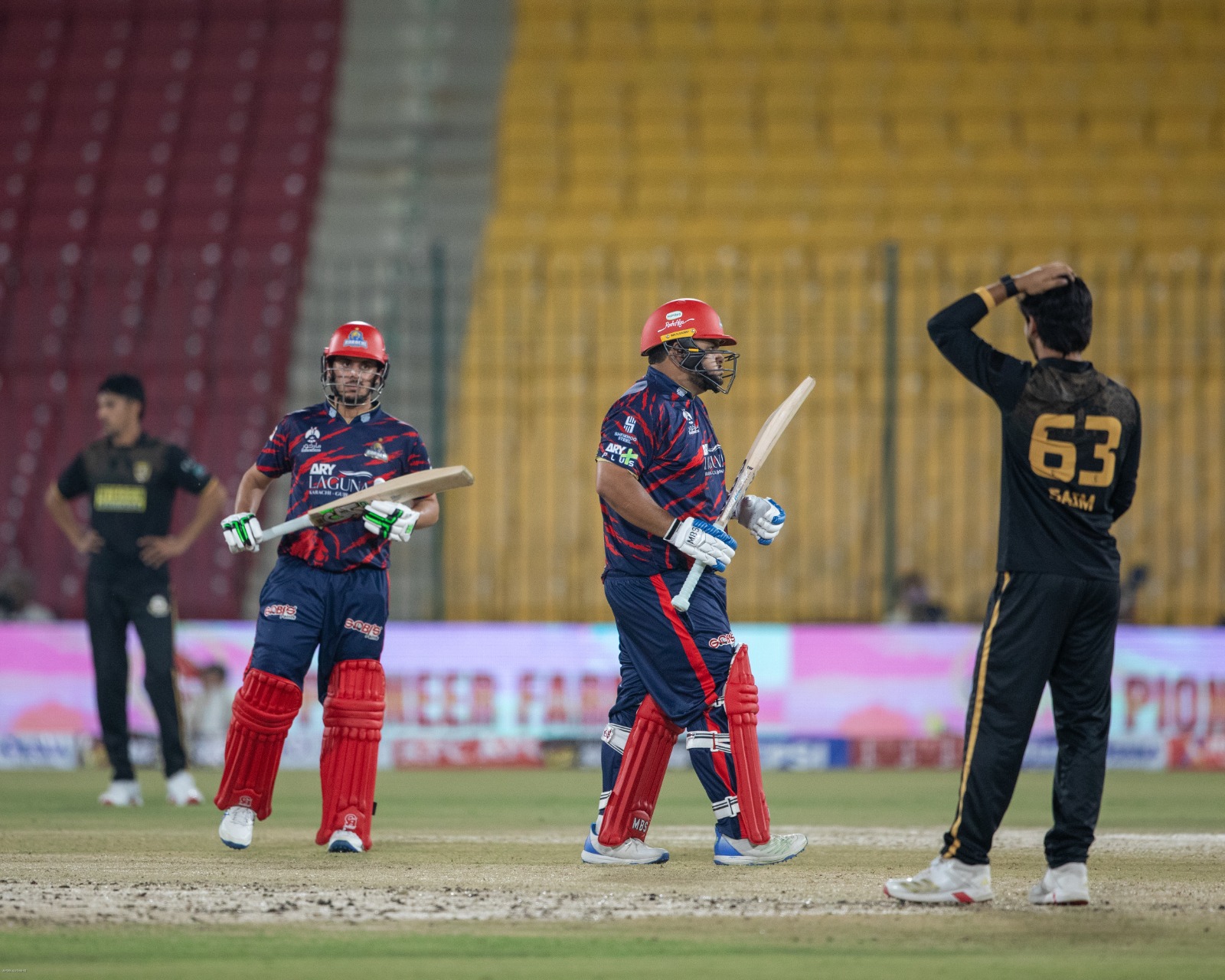
Hyderabad Kingsmen produced a spirited and tactically astute performance to defeat Karachi Kings by four wickets in the 20th match of the Pakistan Super League (PSL) 2026 at the National Stadium, Karachi. Chasing a formidable target of 189, the Kingsmen demonstrated composure, depth, and strategic clarity to seal victory with five balls to spare. While the contest was closely fought, it ultimately underscored Hyderabad’s growing maturity and Karachi’s recurring inability to close out high-stakes matches.
Karachi Kings posted an imposing total of 188 for 8, built on a blend of youthful promise and explosive power-hitting. Saad Baig’s composed 53 off 37 deliveries anchored the innings, reflecting his temperament and technical proficiency. However, his decision to retire out late in the innings invited debate. While likely intended to facilitate greater acceleration, the move disrupted momentum at a critical juncture and raised questions about the team’s strategic clarity.
Muhammad Waseem and Salman Agha provided early impetus with aggressive cameos, but it was Moeen Ali’s electrifying 44 off just 16 balls that transformed Karachi’s total into a formidable one. The English all-rounder’s fearless stroke play, punctuated by five towering sixes, highlighted his value as a finisher. Azam Khan’s brisk 26 also added impetus, yet Karachi’s inability to maintain continuity during the death overs prevented them from breaching the psychological 200-run barrier. A more calculated finish might have added the extra cushion required to defend against an in-form opposition.
Hyderabad Kingsmen’s bowling unit deserves considerable credit for containing Karachi’s explosive lineup. Hunain Shah emerged as the standout performer with three crucial wickets, applying pressure during key phases. Mohammad Ali provided early breakthroughs, while Hassan Khan’s tight spell helped maintain control. Although Saim Ayub and Glenn Maxwell conceded runs, their willingness to shoulder responsibility reflected a flexible and adaptable bowling strategy. The collective effort ensured that Karachi’s scoring surge remained within manageable limits.
In response, Hyderabad’s chase was characterized by fearless intent and intelligent risk management. Captain Marnus Labuschagne set the tone with a blistering 26 off 10 balls, an uncharacteristically aggressive display that injected momentum into the innings. His attacking approach during the powerplay signaled Hyderabad’s determination to dominate rather than merely survive.
The foundation laid by Labuschagne was reinforced by Maaz Sadaqat and Usman Khan, whose contributions kept the scoreboard ticking. Their calculated aggression ensured Hyderabad maintained a healthy run rate, preventing Karachi’s bowlers from dictating terms. However, a cluster of middle-order wickets briefly threatened to derail the chase, exposing Hyderabad’s vulnerability under pressure.
It was in this decisive phase that Hassan Khan emerged as the match-winner. His unbeaten 33 off 16 balls earned him the Player of the Match award and epitomized composure under pressure. Partnered by Irfan Khan, who contributed a steady 29 not out, Hassan orchestrated a crucial match-winning stand. Their partnership reflected not only technical competence but also exceptional game awareness, ensuring Hyderabad crossed the finish line with confidence.
From Karachi’s perspective, the defeat highlighted both strengths and shortcomings. Abbas Afridi and Adam Zampa delivered disciplined spells, while Salman Agha contributed with a wicket. Yet, the bowling attack lacked consistency at critical moments, particularly during the powerplay and death overs. Hasan Ali’s expensive spell further compounded the problem, allowing Hyderabad’s batters to dictate the tempo. Karachi’s inability to defend a near-190 total on a batting-friendly surface exposed deficiencies in execution and tactical planning.
The match also emphasized Hyderabad Kingsmen’s evolution as a competitive unit. Their aggressive batting approach, combined with improved bowling discipline, reflects a team growing in confidence and cohesion. The ability to chase a high total against a strong Karachi side highlights their resilience and strategic maturity—qualities essential for success in a high-pressure tournament like the PSL.
Conversely, Karachi Kings must address issues related to decision-making and consistency. While their batting depth remains formidable, lapses in bowling discipline and questionable tactical calls—such as the timing of Saad Baig’s retirement—proved costly. To remain competitive in the latter stages of the tournament, Karachi will need to refine their strategies and enhance execution under pressure.
In essence, this encounter was more than just a thrilling chase; it was a study in composure, tactical intelligence, and resilience. Hyderabad Kingsmen’s victory not only showcased their growing credentials but also served as a reminder that in T20 cricket, calculated risks and collective execution often outweigh individual brilliance.




